
Empowering Recovery: Therapies on Thames Collaborates with Headway Thames Valley to Support Brain Injury Survivors
Acquired brain injuries pose a significant challenge, swiftly altering lives and redirecting future paths. In the aftermath of such trauma—whether stemming from cancer, car accidents, or strokes—individuals embark on a recovery journey filled with uncertainty and disruption. Every advancement is met with obstacles, testing resilience and resolve. Yet, amidst this…
Enhancing Recovery: Therapies on Thames’ Collaborative Approach with NHS Royal Borough of Windsor and Maidenhead
In the dynamic landscape of healthcare, Therapies on Thames has forged a successful partnership with the NHS Royal Borough of Windsor and Maidenhead, providing crucial community rehabilitation services for patients recently discharged from hospitals. This collaborative effort aims to facilitate a smooth transition from hospital to home, ensuring patients receive…
Therapies on Thames and NHS Gloucestershire’s Innovative Post-Hospitalisation Approach
Therapies on Thames and NHS Gloucestershire have forged a dynamic partnership that reflects innovation and a patient-focused reablement approach. This collaborative alliance addresses the critical phase when patients no longer require acute hospital care following illness or falls but are not yet ready to return home. Reablement care focuses on…
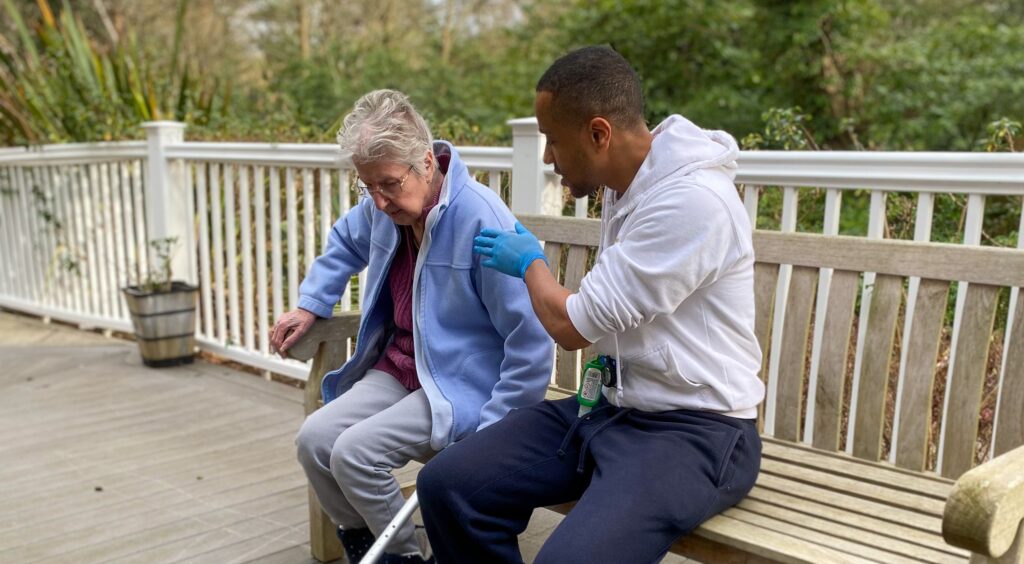
How Physiotherapy Can Transform the NHS and Lives of Older Adults
Loss of strength and loss of independence is seen by many, including some health practitioners, as inevitable as we get older. With over-65s accounting for 70% of bed days in hospitals in the UK, the strain on the NHS continues to grow. Prescribing activity and specialist movement to older people could not only result in a healthier aging population in the UK, but could also significantly ease pressure on the NHS by reducing the number of falls, people in care, and hospital re-admissions.
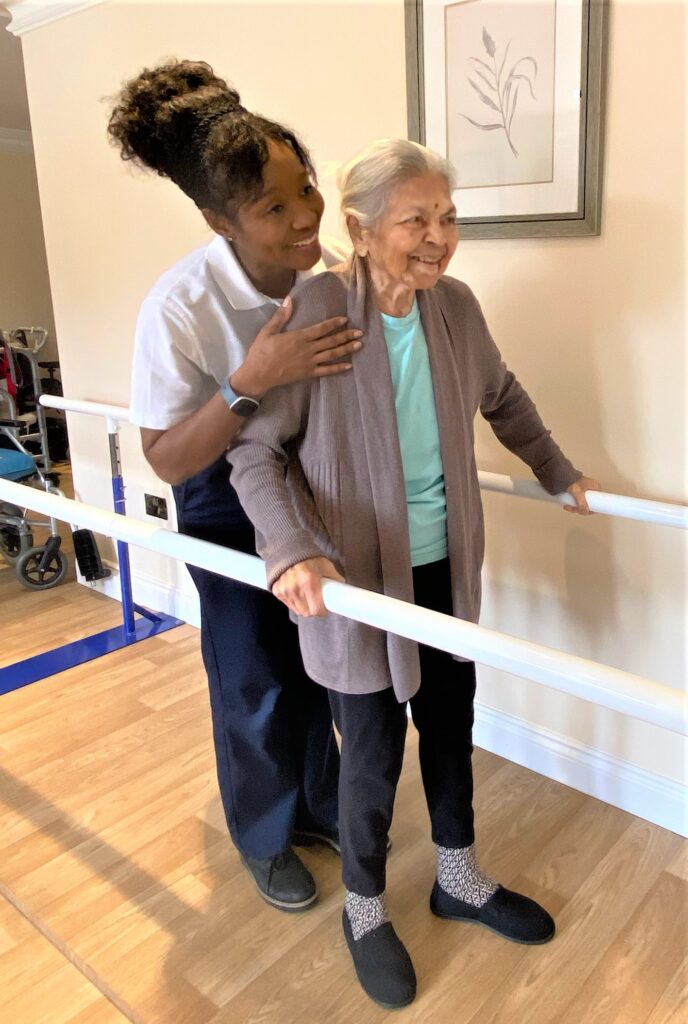
Gait Training and Balance Exercises in Parkinson’s Rehabilitation
Walking and maintaining balance can come as a challenge for people suffering with Parkinson’s Disease. Prospective studies show that between 45% and 68% of people with Parkinson’s will fall each year, with a large proportion (50-86%) falling recurrently. By practicing gait training and balance exercises, individuals can improve posture and walking ability, decreasing the likelihood of falls or injury.

Cost of Falls to NHS and Social Care
Cost of Falls to NHS and Social Care – How Specialist Physiotherapy for Fall Prevention Can Help Falls and fractures present a prevalent and grave health concern among the elderly population in England. Individuals aged 65 and above bear the greatest risk of experiencing falls, with approximately one-third of this…
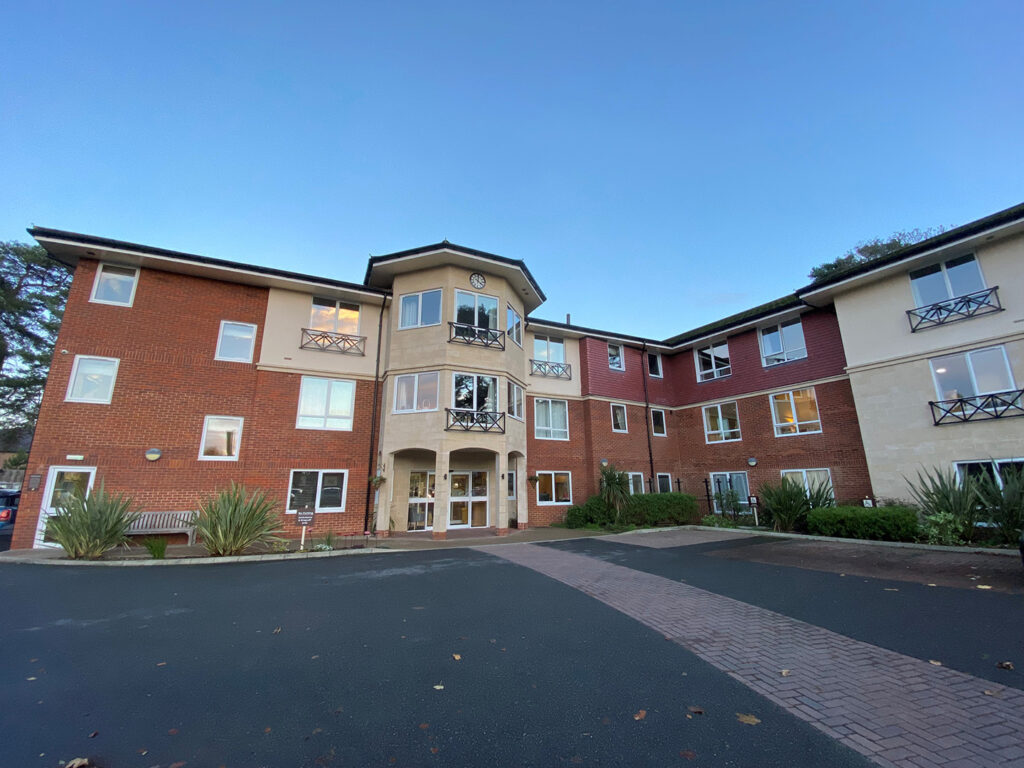
How ToT Supports The NHS Through Inpatient Rehab Centres
How Therapies on Thames Supports the NHS Through Inpatient Rehabilitation Centres If you or an elderly relative/friend has recently been admitted to hospital or suffered an illness or fall, you may require temporary after care to help you recover and stay independent at home. This is where inpatient rehabilitation centers,…
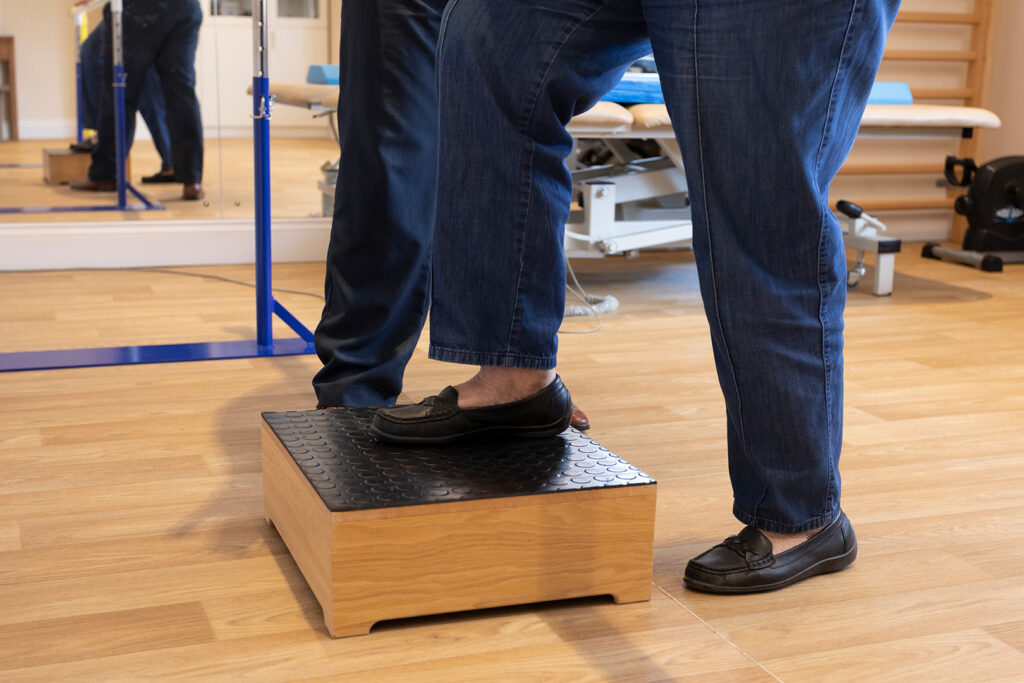
The Benefits of Inpatient Rehabilitation
Inpatient Rehabilitation – What is Inpatient Rehabilitation and What are The Benefits of Inpatient Rehabilitation for Elderly Patients? Unfortunately, many elderly people experience stability and mobility issues following illness, injury or surgery. The ability to complete tasks such as standing, walking, and getting in/out of bed unaided is essential for…
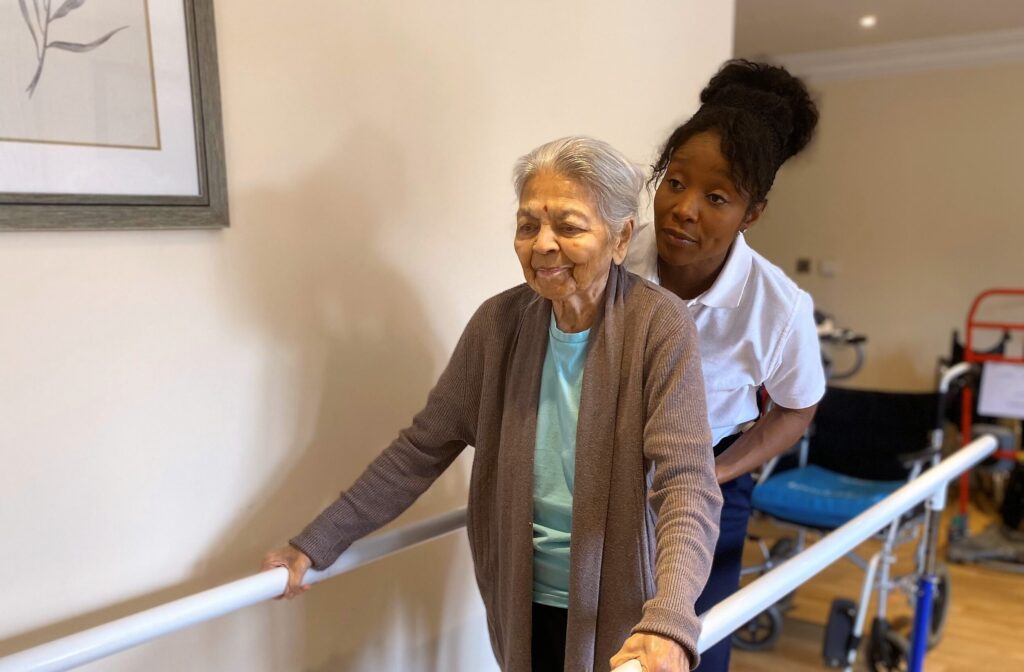
Post Hospital Physiotherapy
Discover How Physiotherapy Helps Elderly Patients Recover After a Hospital Stay As we age, our bodies become more susceptible to injury and illness. Unfortunately, this reality often results in hospital stays for elderly individuals. However, the road to recovery doesn’t end once they are discharged from the hospital. Physiotherapy can…
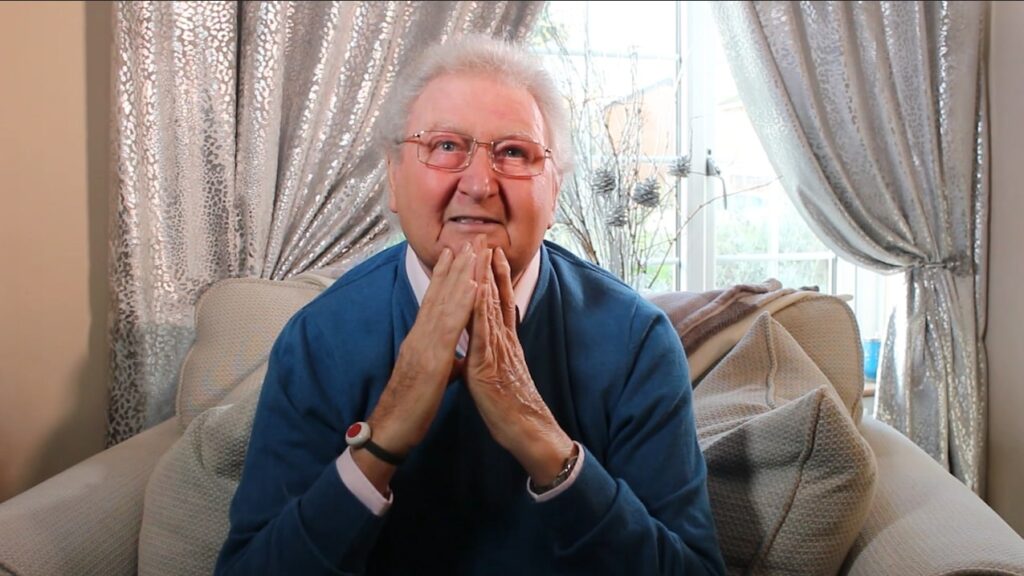
Patient Physiotherapy Testimonial – Dennis’s Story
Dennis explains how the physiotherapy provided by Therapies on Thames helped during his rehabilitation and how much his life and mobility has improved since his treatment. “I live in Spain and last December I suffered a condition called temporal arthritis. This took a form of a horrendous headache followed by…